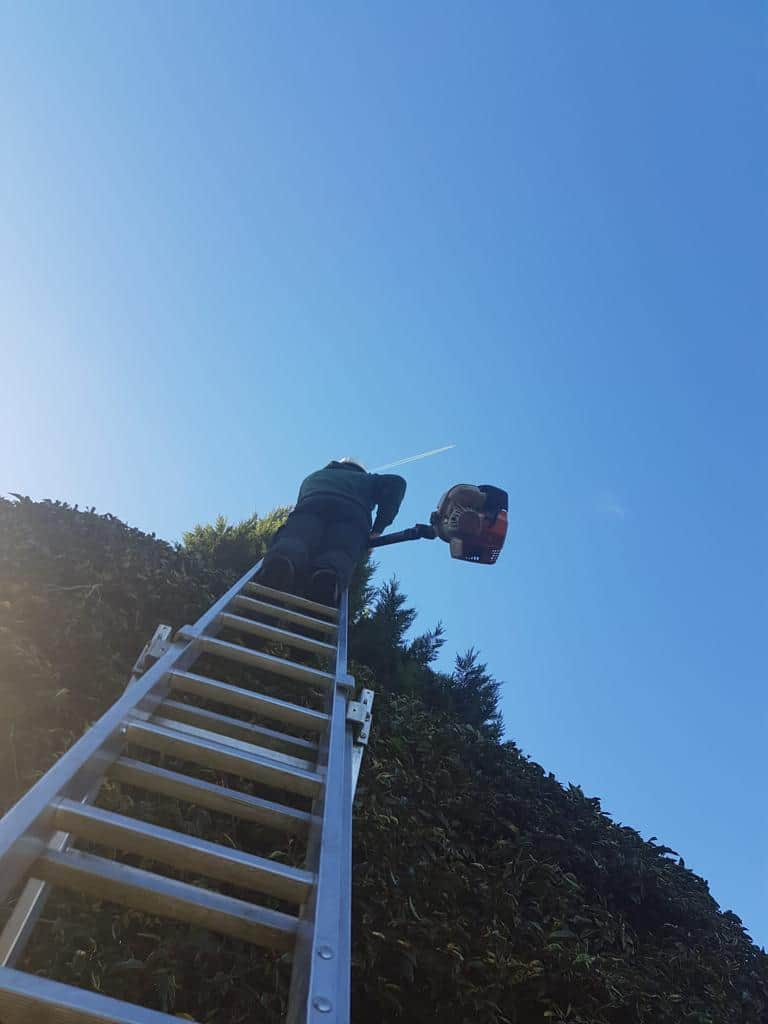
Trees provide shade, improve outdoor spaces and contribute to the character of a garden. However, there are situations where a tree may become unsafe, seriously damaged or unsuitable for its surroundings. In these circumstances, tree felling may be necessary to protect people, property and the surrounding environment.
For property owners in Yate, Gloucestershire, deciding whether to remove a tree requires careful consideration. Signs of decay, structural weakness and significant storm damage can indicate that professional attention is needed, but removal is not always the only option. A qualified tree surgeon can assess the tree’s condition and determine whether pruning, other management work or complete removal is the most appropriate solution.
Signs That a Tree May Need to Be Felled
Recognising potential problems early can help prevent a hazardous situation from developing. Although some warning signs are visible, the extent of a tree’s internal decay or structural weakness may not be obvious without a professional assessment.
Extensive Decay or Fungal Growth
Fungal fruiting bodies around the trunk or roots can sometimes indicate decay within the tree. Other warning signs include cavities, dead sections of wood and areas where the trunk appears to be deteriorating.
Not every instance of fungal growth means a tree must be removed. Different fungi affect trees in different ways, and the level of risk depends on the species, location and extent of the decay. A tree surgeon can assess these factors to establish whether the tree remains structurally sound.
Significant Storm Damage
Strong winds and severe weather can split branches, damage the main trunk or disturb the root system. A tree with a major split, a broken main stem or substantial root damage may become unstable, particularly if it is close to a house, pathway or frequently used area.
Leaning after a storm, newly exposed roots or a raised section of soil around the base can indicate that the tree has moved. These signs should be taken seriously, and people should keep clear of the affected area until it has been assessed safely.
A Dead or Severely Declining Tree
A tree that has lost most of its canopy, developed extensive deadwood or shows persistent signs of decline may require further investigation. Dead trees can become increasingly brittle, making branches or sections of the trunk more likely to break.
However, some declining trees can still be managed through appropriate pruning or other care. The decision to fell should depend on the tree’s condition, its structural stability and the risks it presents.
Root Damage and Instability
Roots help anchor a tree and provide the water and nutrients it needs. Construction activity, soil disturbance, compaction or root decay can weaken this support system.
Visible root damage, changes in the ground around the trunk or unexplained movement may indicate a structural concern. Because much of a tree’s root system is underground, assessing the problem often requires professional knowledge rather than relying on surface appearance alone.
When Is Tree Felling the Most Appropriate Option?
Tree felling may be recommended when a tree has extensive structural damage, advanced decay or instability that cannot be managed adequately through other methods. It may also be necessary when a tree poses an unacceptable risk to buildings, access routes or areas regularly used by people.
The decision should follow a proper assessment of the tree and its surroundings. A healthy tree that has outgrown its space, for example, may be suitable for selective pruning or crown management rather than removal.
A professional tree surgeon considers the tree’s condition, likely future development, location and potential consequences of failure. This helps ensure that felling is recommended for a clear reason rather than simply because the tree has become inconvenient.
Tree Felling Versus Other Tree Surgery Options
Removing a tree is a significant decision, so it is useful to understand the alternatives.
Pruning can remove dead, damaged or poorly positioned branches while retaining the main tree. Crown reduction may be appropriate in certain circumstances to reduce the overall size of the canopy, provided it can be carried out safely and in keeping with the tree’s structure.
Where a tree has limited defects, targeted management may address the concern without requiring complete removal. However, pruning cannot correct every problem, particularly when the main trunk or root system is seriously compromised.
If the tree is beyond safe management, felling may provide the most suitable long-term solution. The recommended approach should be based on the tree’s actual condition and the risks identified during the assessment.
Why Professional Tree Felling Matters
Tree felling requires careful planning, appropriate equipment and a clear understanding of how a tree may move as it is cut. Factors such as the tree’s height, weight, lean, condition and proximity to buildings or other obstacles all influence the method used.
In restricted spaces, a tree may need to be dismantled in controlled sections rather than felled in one direction. This approach allows the tree surgeon to manage the removal more carefully and reduce the risk of damage to nearby structures and garden features.
Attempting to fell a large or compromised tree without suitable training and equipment can be dangerous. Professional tree surgeons can assess the site, establish a suitable work method and carry out the removal in a controlled manner.
What Happens After a Tree Has Been Felled?
Once a tree has been removed, the remaining stump may need to be considered. Depending on its position and the intended use of the area, stump grinding or another suitable removal method may help make the space easier to maintain or prepare for future landscaping.
The surrounding area should also be checked for debris and any damage caused by the tree’s condition or removal. If replacement planting is appropriate, selecting a suitable species and allowing enough room for mature growth can help avoid similar problems in the future.
Discussing these details before work begins helps ensure that the removal meets the property’s practical needs.
Professional Tree Felling in Yate, Gloucestershire
Deciding whether a tree needs to be removed can be challenging, particularly when the warning signs are not conclusive. Professional assessment helps identify structural concerns, evaluate possible alternatives and determine when felling is the safest and most appropriate course of action.
EM Tree Surgery Yate provides tree surgery services in Yate, Gloucestershire, helping property owners assess tree-related concerns and arrange suitable work. If you have a damaged, declining or potentially unstable tree, contact EM Tree Surgery Yate to discuss your concerns and arrange a professional assessment.
Conclusion
Tree felling may be necessary when serious decay, storm damage, root instability or structural weakness makes a tree unsafe to retain. However, removal should follow a careful assessment, as pruning or other tree management may be suitable in some circumstances.
For property owners in Yate, Gloucestershire, seeking professional advice can help clarify the condition of a tree and identify the most appropriate solution. When removal is necessary, a planned and professionally managed approach helps protect people, property and the surrounding outdoor space.
Call us on: 01454 802 782
Click here to find out more about EM Tree Surgery Yate
Click here to complete our contact form and see how we can help with your tree care needs.